Top Teen Tour Plans: A Strategic Guide to Selecting Elite Programs
The transition from childhood to young adulthood represents a pivotal developmental window where the environment, rather than the classroom, often serves as the most effective teacher. For the modern adolescent, exposure to structured, purpose-driven travel provides an antidote to the homogeneity of digital living. The curation of these experiences, however, has evolved into a complex operational challenge, necessitating a shift from passive sightseeing to active, friction-rich engagement that demands problem-solving, cultural navigation, and genuine social integration.
Selecting an appropriate program in this saturated market is rarely a simple task of picking a destination. It requires an analytical audit of the provider’s pedagogical philosophy, their safety architecture, and the actual “human dynamics” of their tour groups. Parents and educators who approach this as an exercise in logistical consumption often find themselves disappointed; those who view it as a strategic investment in the adolescent’s long-term resilience, however, reap the benefits of a transformation that extends far beyond the duration of the trip itself.
Understanding “top teen tour plans.”
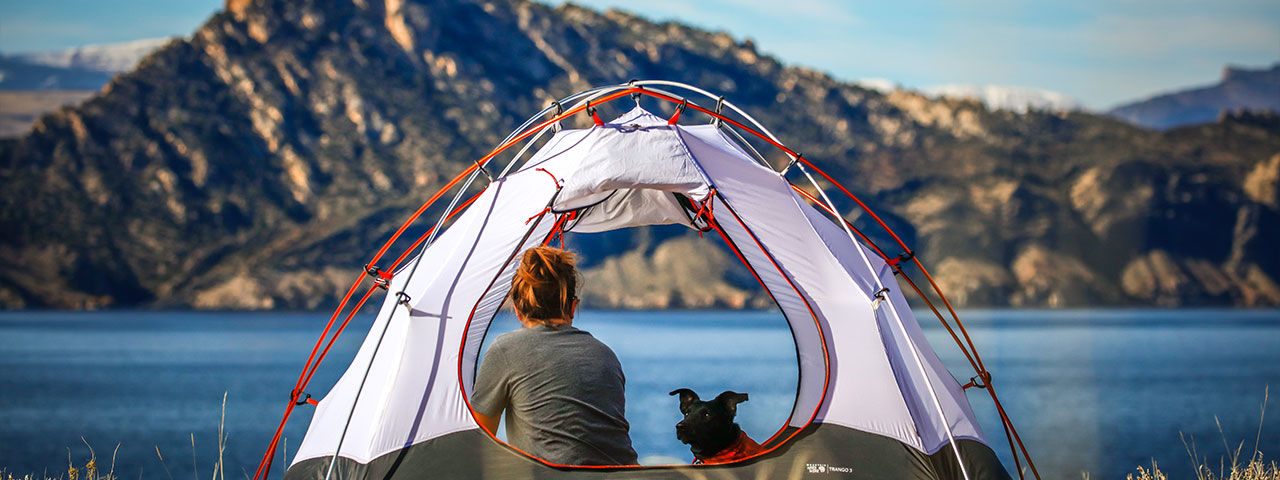
The pursuit of top teen tour plans is often hindered by marketing that prioritizes prestige over developmental outcomes. Brochures may promise exceptional experiences, yet deliver high-volume, low-impact excursions. These trips prioritize comfort rather than individual growth. To find quality, look for “instructional density.” This measures how much an itinerary forces participants to engage with their environment rather than observing it passively.
Misunderstandings often stem from confusing tourism with immersion. Tourism is a service provided for the participant. Immersion is a collaborative process requiring active participation. Oversimplifying this distinction carries risks. Passive programs lead to disengagement, while programs lacking support structures cause unnecessary stress. Quality exists in the balance between structured challenge and expert support.
Historical and Systemic Evolution of Youth Travel
The history of organized youth travel reflects shifting societal views on the utility of adolescence. Mid-20th-century programs were bifurcated into elite academic exchanges and community-based service trips. The last two decades have seen massive professionalization. Today, teen travel relies on risk-mitigation protocols that often exceed those found in private boarding schools.
By 2026, we will have reached the era of the “techno-skeptic” tour. Advanced programs now mandate strict digital detoxes, recognizing that constant connectivity hinders group cohesion. This systemic change acknowledges that the adolescent brain requires “analog friction.” Forced interaction with peers and new geographies builds the social maturity that modern digital environments often erode.
Conceptual Frameworks for Program Selection
-
The Resilience Threshold Model: Evaluate a participant’s ability to handle minor inconveniences. Programs that solve every problem prevent growth. Ideal programs offer a safety net while requiring the teen to navigate obstacles independently.
-
The Stewardship-Integrity Framework: Audit service or conservation programs for “impact reality.” Ask if a project addresses a genuine local need. Avoid superficial tasks designed only to provide a sense of accomplishment.
-
The Agency-Autonomy Continuum: Measure the ratio of directed time to directed autonomy. Younger teens need more structure. Older teens, aged 16 and up, should handle independent navigation, budgeting, and group decision-making to build self-reliance.
-
The Institutional Memory Test: Does the program have a history in the specific region? Avoid “pop-up” agencies relying on local subcontractors. Proven depth of local knowledge is the primary indicator of safety and quality.
Key Categories and Operational Variations
| Category | Typical Utility | Strategic Focus | Primary Limitation |
| Academic/Field-Study | Subject-Matter Depth | Intellectual Rigor | High risk of academic burnout |
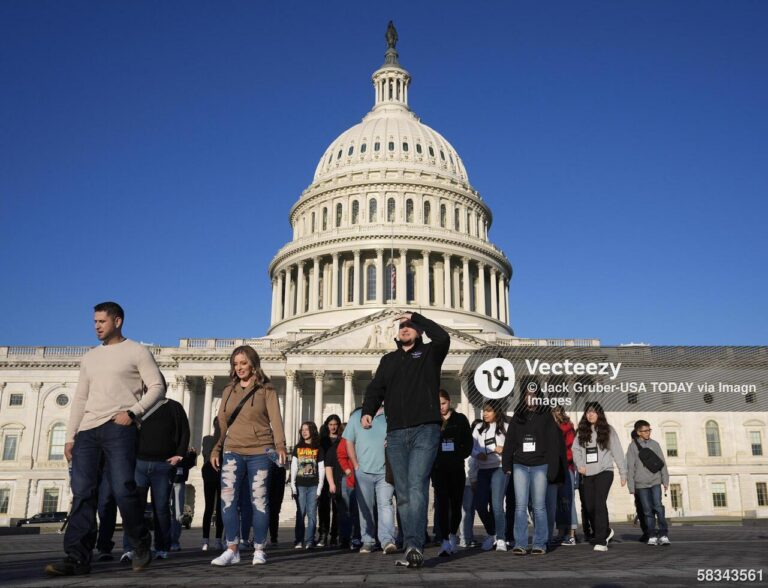
| Service/Conservation | Altruism/Perspective | Social Maturity | Performative/Superficial risks |
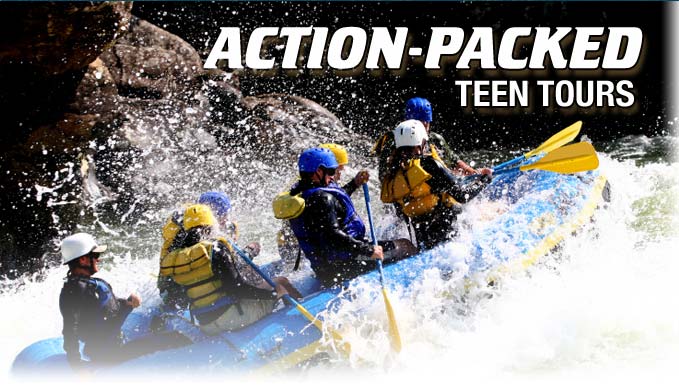
| Adventure/Outdoor | Physical Grit/Endurance | Personal Resilience | High physical/safety overhead |
| Language Immersion | Linguistic Fluency | Cultural Adaptation | High initial anxiety/Shock |
The decision logic here is binary: if the teen is seeking clarity on an academic path, prioritize field-study; if they are lacking in self-reliance, prioritize outdoor adventure or immersion.
Real-World Scenario Modeling
Scenario 1: The High-Achieving, Socially Isolated Student
A teen excels in structured academic settings but lacks the ability to navigate unstructured social environments.
-
Decision Point: Engage a “group-dynamic-focused” program that uses small cohorts and mandatory peer-led decision-making.
-
Failure Mode: Sending this student on an “all-star” tour with other high-achievers often results in a competitive atmosphere that fails to address the teen’s social isolation.
Scenario 2: The Digital-Native Struggling with Focus
A teen spends excessive time on personal devices and exhibits a high degree of restlessness.
-
Decision Point: Prioritize an “analog-only” adventure program that mandates total device surrenders.
-
Second-Order Effect: The teen will inevitably revolt during the first 72 hours; the program leader’s ability to facilitate this “withdrawal” process is more important than the destination itself.
Planning, Cost, and Resource Dynamics
The valuation of top teen tour plans requires factoring in not just the tuition, but the “hidden” overhead of safety, insurance, and the opportunity cost of the participant’s time.
| Investment Tier | Typical Focus | Resource Intensity |
| Foundational | Standardized sightseeing/access | Moderate |
| Advanced | Personalized, small-cohort growth | High |
| Elite | Institutional-grade immersive immersion | Very High |
The financial reality is that “low-cost” programs are rarely the bargain they appear; they frequently lack the necessary staff-to-student ratios or the local infrastructure to handle emergencies, effectively shifting the risk back onto the parent.
Operational Tools and Support Systems
-
Safety & Risk-Assessment Dashboards: Institutional-grade programs now provide parents with real-time (though not necessarily real-time comms) tracking of health and safety logs.
-
Psychosocial Group Audits: A program’s ability to pre-screen students for compatible maturity levels is a strong indicator of high-tier quality.
-
Vetted Vendor Ledgers: A high-quality tour will never rely on random local bookings; they maintain relationships with ground partners who are contractually bound to specific safety standards.
-
Analog Communication Hubs: Dedicated, scheduled windows for analog communication (letters, periodic check-in calls) that emphasize the teen’s growth rather than instant connection.
The Risk Landscape: Failure Modes and Compounding Risks
The most prevalent failure mode in this sector is “supervisory dilution,” where staff are spread too thin across too many participants. When staff lose the ability to observe the nuanced dynamics within the group, bullying, isolation, or safety lapses go unchecked. Compounding this is the “intermediary bloat” where the agency marketing the trip is disconnected from the agency running it, creating a “black hole” of accountability. Parents should verify that the person signing the contract is the same person responsible for the ground operations.
Governance, Maintenance, and Long-Term Adaptation
Governance of these programs must be proactive. Parents should not just receive a packing list; they should request the “contingency manual,l” a document that outlines how the organization handles everything from medical emergencies to regional political instability. Maintenance of the relationship requires treating the program as a vendor; keep a file of your teen’s performance in the program and use it to inform future summer choices or college essays.
Measurement, Tracking, and Evaluation
-
Leading Indicators: The precision of the pre-departure briefing; the thoroughness of the medical/dietary screening process.
-
Lagging Indicators: The longitudinal shift in the teen’s independence; their ability to articulate the “why” behind their actions during the trip, rather than just the “what.”
-
Documentation: Maintain a journal or portfolio of the experiences,ce not just photos, but reflections. This creates an objective audit of whether the trip met its stated pedagogical goals.
Common Misconceptions and Oversimplifications
-
Myth: “High price equals high safety.”
-
Correction: High prices often fund premium lodging and marketing; safety is funded by staff training and robust, redundant operational protocols.
-
Myth: “You can assess a program via its website photos.”
-
Correction: Photos showcase results; they never showcase the training, protocols, or failure-management systems that keep a teen safe when things go wrong.
-
Myth: “An older teen doesn’t need supervision.”
-
Correction: An older teen needs different supervision; removing it entirely is not autonomy—it is abandonment.
Ethical and Contextual Considerations
The ethics of youth travel are paramount. Are the participants acting as guests or as consumers of the local culture? A high-quality program should instill a sense of humility. Furthermore, the selection of service-oriented trips must be done with extreme care to avoid exploitative “voluntourism” that benefits the participant more than the local community. Ethical selection requires verifying that the program supports local infrastructure in a sustainable, non-extractive manner.
Conclusion
The selection of top teen tour plans should be approached with the same rigor one applies to long-term educational or financial investments. It is a strategic exercise in identifying an environment that will test an adolescent’s boundaries, support their development, and return them with a greater capacity for self-governance. By moving past the superficial allure of destination branding and focusing on the underlying operational architecture, the vetting of staff, the robustness of safety protocols, and the intentionality of the pedagogical design, families can ensure that their investment results in genuine, enduring growth. In a world of increasing digital noise and sedentary habits, the most valuable experience an adolescent can have is the deliberate, challenging, and supervised engagement with the realities of the physical world.