Best Teen Cruise Options: A Definitive Strategic Guide
The maturation of the maritime travel industry has fundamentally altered how families approach adolescent enrichment. Once viewed merely as high-density logistical platforms for family leisure, modern cruise vessels have evolved into complex, tiered environments that function as floating, contained ecosystems. For the adolescent, this environment presents a unique paradox: it offers an unprecedented degree of autonomy within a highly structured, artificial geography. Evaluating these opportunities requires moving past the standard marketing rhetoric of “adventure” and “excitement” to interrogate the actual mechanisms of social, cognitive, and developmental engagement provided by the vessel and its programming.
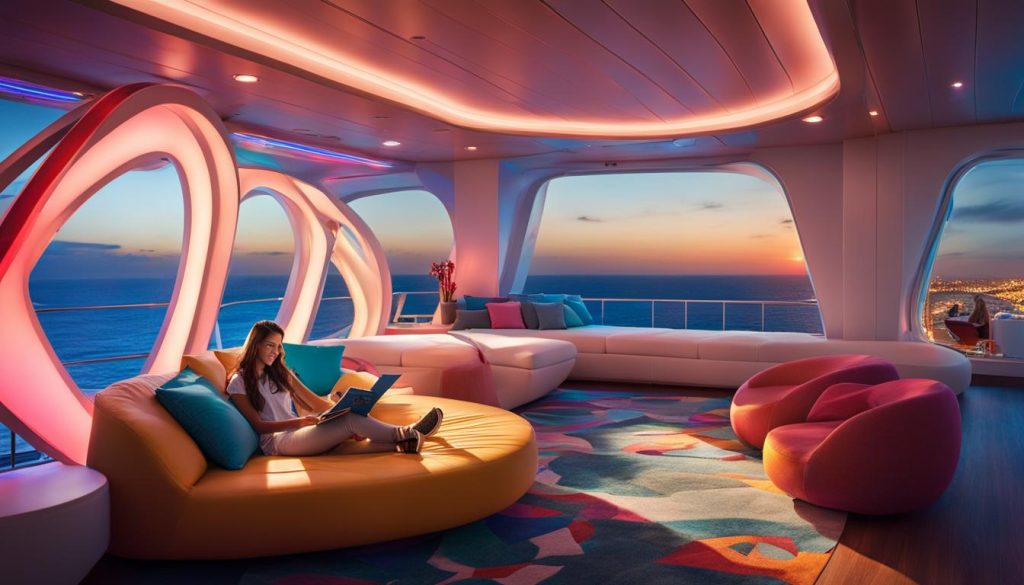
The difficulty in selecting the appropriate maritime experience stems from the asymmetrical nature of the product. An itinerary that boasts high-tech amenities may, in practice, fail to foster meaningful social integration for an older teen, while a quieter, smaller-vessel operation might offer precisely the intellectual or social environment needed to catalyze maturity. Parents and educators are tasked with balancing the appeal of immediate gratification, the water slides, the simulations, the digital lounges, with the long-term utility of the experience, which hinges on the quality of peer-cohort management and the professional oversight of staff.
This reference provides a rigorous methodology for navigating the expansive and often opaque market of youth-oriented maritime travel. By establishing a framework for assessment that prioritizes operational integrity, pedagogical intent, and developmental appropriateness, this guide offers the tools necessary to make an informed, evidence-based decision. The goal is to shift the focus from the consumer’s desire for convenience toward the strategist’s requirement for developmental ROI, ensuring that a maritime journey functions not merely as a vacation but as a deliberate intervention in the adolescent’s personal evolution.
Understanding “best teen cruise options.”
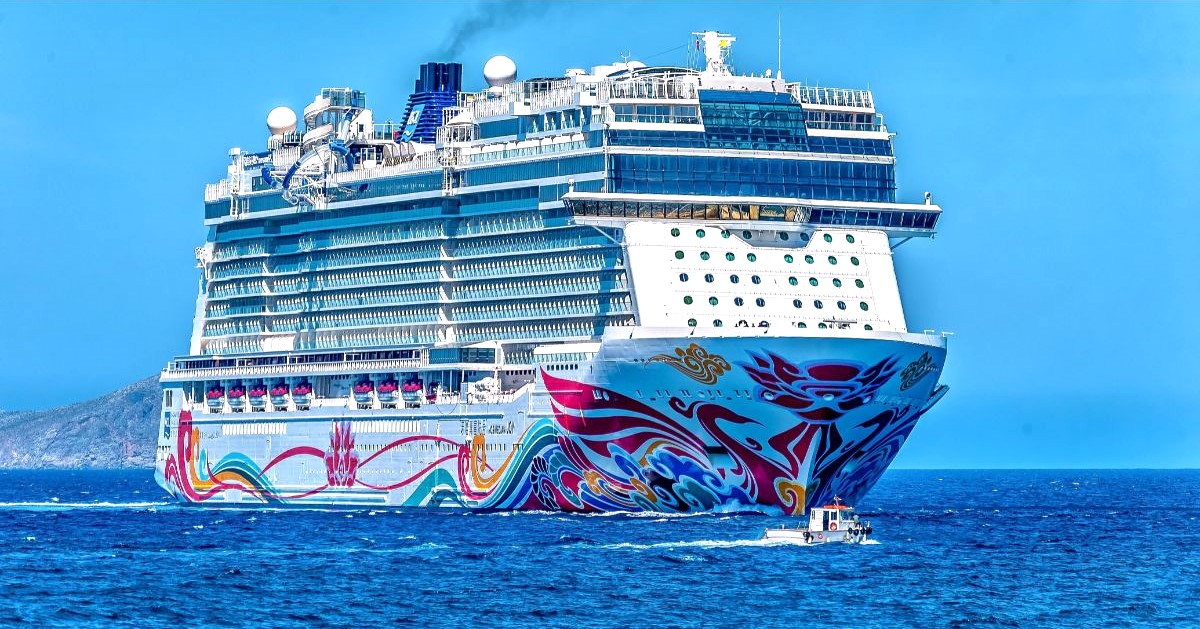
Identifying the best teen cruise options is frequently hampered by a market bias that equates size and technological flash with program quality. A common error is assuming that the larger the vessel, the more effective the programming. In reality, large-scale operations prioritize high-volume turnover, which can lead to superficial, short-lived peer connections. To distinguish the signal from the noise, one must define quality by “relational density,” a measurement of how effectively the program fosters the formation of enduring, high-quality peer groups within the limited timeframe of the voyage.
The risk of oversimplification is significant. When a family chooses a cruise based purely on its list of onboard thrills, they often overlook the “soft” architecture of the ship: the training and the social-mediation capabilities of the youth staff. The best teen cruise options are those that utilize a structured, yet unobtrusive, approach to social facilitation. These programs operate as controlled laboratories for social navigation, providing enough support to ensure safety while creating enough ambiguity to force the adolescent to exercise their own decision-making skills. Achieving this balance is the primary indicator of a top-tier maritime program.
Historical and Systemic Evolution of Maritime Youth Travel
Maritime youth programming has evolved from the “supervised daycare” models of the late 20th century into the sophisticated, tiered developmental environments of 2026. Historically, cruise lines treated all adolescents as a monolithic block, offering little beyond generic gaming areas and unstructured socializing. The modern systemic shift reflects a broader societal recognition of the developmental requirements of the adolescent brain, which thrives on controlled risk-taking and self-authored social hierarchies.
Today’s industry leaders have adopted a professionalized approach to youth programming, drawing from educational psychology and the same safety protocols that govern modern boarding institutions. The current emphasis is on “interest-based social discovery.” Rather than forcing interaction through artificial ice-breakers, vessels are increasingly designing programs around shared pursuits, be it film production, advanced robotics, or maritime navigation, which naturally facilitate the formation of groups based on competence and shared passion. This systemic professionalization has turned the cruise experience into an intentional developmental environment.
Conceptual Frameworks for Program Evaluation
-
The Relational Velocity Model: Assess how quickly and effectively a program transitions a group of strangers into a functioning social unit. Programs that utilize small-group workshops or mission-based activities generally achieve higher velocities than those relying on large, unstructured mixers.
-
The Autonomy-Oversight Index: Determine the level of agency the participant possesses. Does the teen have the freedom to navigate the ship’s environment within boundaries, or are they constantly tethered to a formal, adult-led structure?
-
The Digital-Analog Equilibrium: Evaluate how the program manages device usage. High-quality programs do not necessarily ban digital engagement, but they strategically prioritize physical-world interaction during critical social windows.
-
The Staff-to-Psychosocial-Interaction Ratio: Beyond basic supervision, observe how the staff facilitates conflict resolution. A superior maritime program employs leaders with training in developmental psychology, not just hospitality service.
Key Categories and Operational Variations
| Category | Typical Utility | Strategic Focus | Primary Limitation |
| Mega-Vessel Resort | High-intensity stimuli | Broad-base socialization | Risk of social fragmentation |
| Boutique Expedition | Niche skill-building | Depth & Exploration | Reduced peer-group diversity |
| Educational-Themed | Academic enrichment | Intellectual curiosity | High intellectual demand |
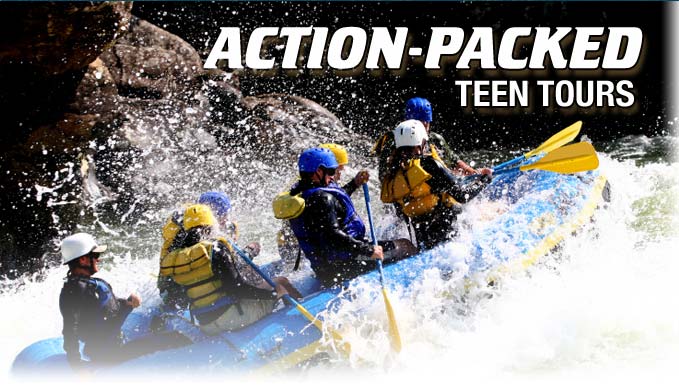
| Active/Adventure | Physical resilience | Kinetic engagement | High safety/physical load |
The decision logic here is specific to the teen’s personality profile. If the participant thrives in high-energy, broad-social settings, a mega-vessel might be the optimal environment. Conversely, if the teen exhibits a high degree of social selectiveness, smaller, skill-based expeditions will often provide the best teen cruise options for fostering meaningful connection and personal discovery.
Real-World Scenario Modeling
Scenario 1: The Intellectually Driven Introvert
A student displays high academic aptitude but feels overwhelmed by large, unorganized social gatherings.
-
Decision Point: Prioritize smaller-vessel expeditions or cruise lines offering STEM-intensive programming.
-
Failure Mode: Selecting a massive, high-volume resort vessel that prioritizes party-atmosphere socializing, which will likely result in the student’s withdrawal.
Scenario 2: The High-Energy, Socially Adaptive Student
A participant thrives in diverse settings and seeks constant, high-stimulus interaction.
-
Decision Point: Select mega-vessels with extensive, high-engagement gaming or performance-based facilities.
-
Second-Order Effect: The student will likely form a large, loose network of friends but may struggle with the “goodbye effect” when the voyage concludes, requiring proactive parental support for managing digital post-voyage transitions.
Planning, Cost, and Resource Dynamics
The valuation of maritime youth programs must account for the “hidden” cost of quality programming, which is frequently distinct from the cabin category.
| Investment Tier | Typical Focus | Resource Intensity |
| Foundational | Basic access and supervision | Low/Moderate |
| Tiered-Programming | Specialized labs/mentorship | Moderate/High |
| Expedition/Specialized | Deep immersion/Expert-led | Very High |
When analyzing the best teen cruise options, understand that the price of admission is only the base cost. The true investment includes the cost of specialized workshops, private sessions, and the time spent researching the ship’s specific, non-advertised programming schedules to ensure alignment with the teen’s interests.
Operational Tools and Support Systems
-
Vetted Programming Calendars: Do not rely on generic marketing brochures. Request the specific, internal schedule of teen-only events for the selected sailing dates.
-
Parental-Access Logistics: Utilize the ship’s internal management apps to track the teen’s activity, though prioritize autonomy by avoiding helicopter-style micro-management.
-
Pre-Voyage Peer Outreach: Where available, utilize official or moderated social platforms to initiate introductions before the voyage, which significantly lowers the social threshold upon embarkation.
-
Analog Contingency Plans: Ensure that for every digital-based activity, there exists a physical, in-person alternative in the event of technical failure or scheduling shifts.
The Risk Landscape: Failure Modes and Compounding Risks
The most prevalent failure mode in maritime youth travel is “social isolation within the crowd.” This occurs when a teen cannot find their “anchor group” during the first 24 hours of the voyage, leading to a state of perpetual alienation. The compounding risk is “service-level disillusionment,” where the programming promised in marketing material is severely curtailed due to operational shifts or insufficient staff ratios. Families should look for operators that guarantee consistent, advertised programming across all sailing dates, as this is a strong proxy for operational reliability.
Governance, Maintenance, and Long-Term Adaptation
Treat the maritime experience as a long-term developmental project. After the voyage, conduct a formal debrief with the participant to assess what worked and what didn’t. Did the program help them develop specific social skills? Did the structured activities provide the desired intellectual stimulus? Use this feedback to inform the next year’s travel selection, creating a longitudinal plan that evolves as the adolescent’s interests and social maturity grow.
Measurement, Tracking, and Evaluation
-
Leading Indicators: The precision and clarity of the youth programming documents provided during the booking process.
-
Lagging Indicators: The participant’s longitudinal engagement in skills or interests introduced during the voyage.
-
Qualitative Signals: Observe the participant’s “energy profile” post-voyage; a successful engagement typically results in a period of heightened social confidence rather than social exhaustion.
-
Documentation: Maintain a visual or written log of the voyage, focusing on the achievements (what they learned or created) rather than just the memories (where they went).
Common Misconceptions and Oversimplifications
-
Myth: “Cruises are just for relaxing.”
-
Correction: High-quality youth programs are inherently intensive and require significant, intentional engagement from the participant.
-
Myth: “The kid will just find friends naturally.”
-
Correction: While possible, the best teen cruise options rely on structured social environments to guarantee that no participant is left without a pathway to connection.
-
Myth: “Staff are just babysitters.”
-
Correction: High-tier maritime programs invest heavily in staff training for developmental psychology and conflict mediation.
-
Myth: “Bigger is always better.”
-
Correction: Smaller vessels often offer superior, more intimate social environments for teens who struggle with massive, high-stimulus settings.
Ethical and Contextual Considerations
The maritime industry is under increasing scrutiny regarding its environmental impact. Families should look for operators that demonstrate a genuine commitment to marine stewardship. This is not only an ethical choice but a pedagogical one; it encourages the adolescent to think about the environmental costs of their leisure. Choosing a cruise line with clear, transparent sustainability practices helps frame the voyage as a responsible global experience rather than an exercise in unchecked consumption.
Conclusion
Selecting from the best teen cruise options is a strategic exercise in identifying an environment that will test an adolescent’s boundaries, support their development, and return them with a greater capacity for self-governance. By moving past the superficial allure of vessel size and destination branding and focusing on the underlying operational architecture, the quality of social facilitation, the professionalism of the staff, and the intentionality of the programming design, families can ensure that their investment results in genuine, enduring growth. In a world of increasing digital noise and sedentary habits, the most valuable experience an adolescent can have is the deliberate, challenging, and supervised engagement with the realities of a physical, social, and global environment.